What is CTV Advertising?
CTV advertising (Connected TV advertising) refers to video ad campaigns delivered on internet-connected television screens—including Smart TVs and TVs connected through streaming devices or gaming consoles. CTV is now a core part of the modern “TV” ecosystem, especially as streaming usage continues to grow. In Nielsen’s June 2025 report, streaming represented 46.0% of total TV usage. Nielsen — The Gauge (June 2025)
What counts as a CTV household?
A CTV household is one that can stream video on a TV screen through an internet connection, using:
- Smart TVs (built-in internet/app capability)
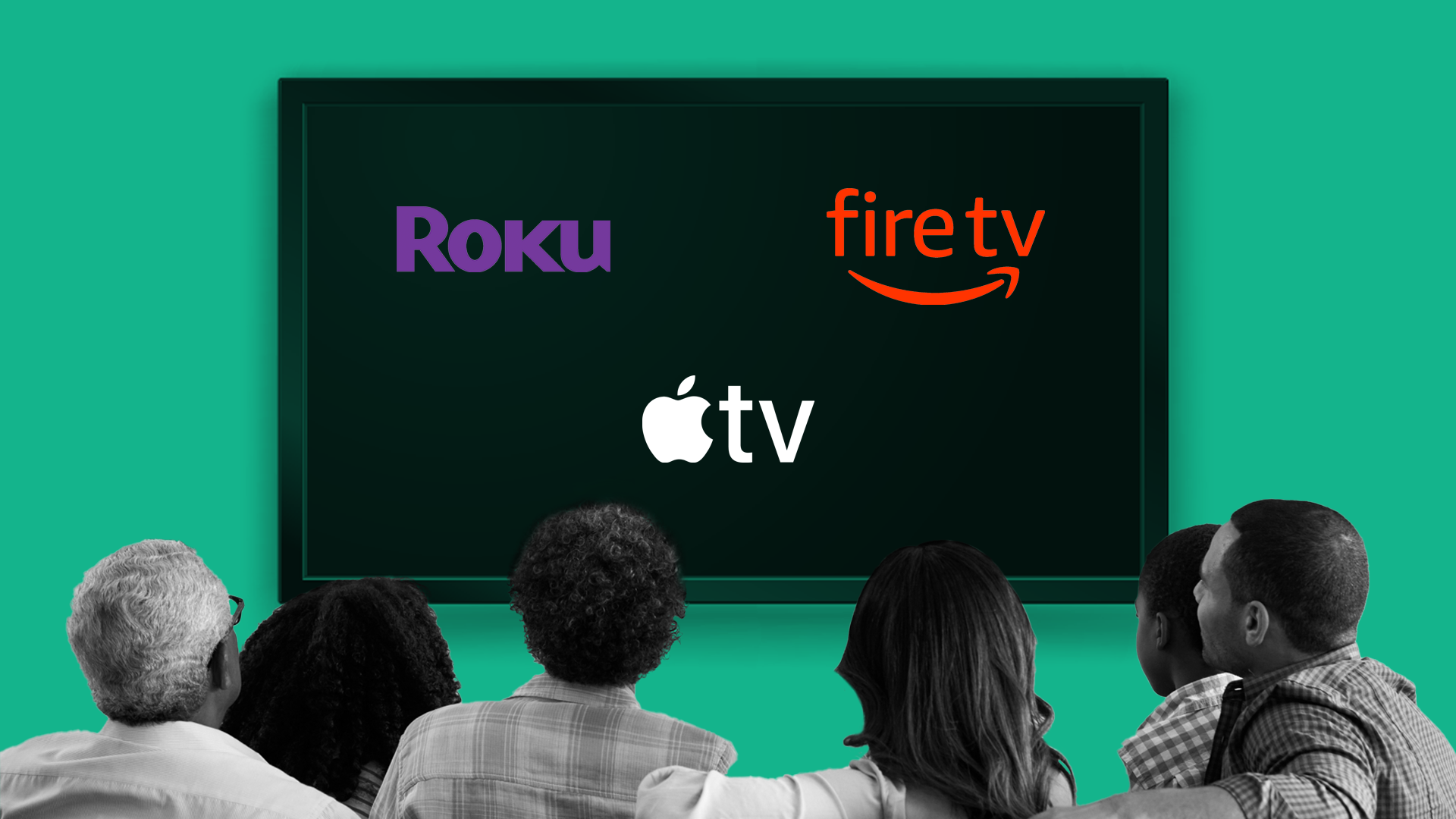
- Streaming devices like Roku, Amazon Fire TV, Apple TV, or Chromecast / Google TV
- Gaming consoles like PlayStation and Xbox
To access content (and CTV ads), viewers typically stream through ad-supported services and apps such as Hulu, Peacock, Disney+ (with ads), Max (with ads), Prime Video (with ads), Paramount+, and FAST platforms.
Why advertisers are investing in CTV
CTV has become a priority channel because it combines TV-quality creative with digital targeting and measurement.
Market growth
- U.S. CTV ad spend is projected to reach $26.6B in 2025. StreamTV Insider (IAB summary)
- CTV is also one of the fastest-growing ad channels tracked by EMARKETER, with continued expansion tied to performance, segmentation, and measurement capabilities. EMARKETER — Guide to CTV
Streaming adoption keeps widening
- 91% of U.S. internet households subscribe to at least one streaming video service (2025) (Parks Associates, via TVTechnology). TVTechnology coverage
- 45% of U.S. internet households watch FAST services (Free Ad-Supported Streaming TV). TVTechnology coverage
CTV vs OTT
People often blend the terms, but:
- OTT refers to streaming content/apps delivered over the internet (across TV, mobile, tablet, desktop).
- CTV refers specifically to the TV screen/device used to watch streaming content.
How CTV targeting works and why it’s different from linear
CTV doesn’t buy only against broad ratings and dayparts like linear TV. Instead, CTV campaigns typically use:
- audience-based targeting (geo, household/device signals, interests, in-market behavior)
- reach + frequency controls across fragmented supply
- measurement and optimization signals (delivery, completion, incremental reach, and outcomes where enabled)
Because CTV apps don’t rely on traditional browser cookies, many campaigns use identity and cross-device approaches to connect exposure to downstream behavior.
CTV ad placements
CTV ads can appear in multiple ways, including:
- in-stream video ads (pre-roll/mid-roll, commonly 15–30 seconds)
- pause ads
- home screen placements
- interactive formats (often paired with QR codes)
CTV advertising platforms and where ads run
CTV inventory commonly includes:
- Premium streaming platforms with ads (Hulu, Peacock, Disney+ with ads, Max with ads, Prime Video with ads, Paramount+)
- FAST platforms (Pluto TV, Tubi, Freevee, The Roku Channel)
- Device/OS ecosystems (Roku OS, Samsung TV Plus, LG Channels, etc.)
CTV inventory is bought via programmatic advertising (auction-based) and/or direct platform partnerships.
CSAI vs SSAI: how ads are inserted
Two common methods for ad insertion in streaming:
- CSAI (Client-Side Ad Insertion): the device/app requests and stitches the ad on the client side.
- SSAI (Server-Side Ad Insertion): ads are stitched server-side into the stream, creating a more seamless viewing experience and often reducing ad-blocking impact.
Benefits of CTV advertising
Key benefits include:
- big-screen reach in premium streaming environments
- audience precision beyond traditional demographics
- measurable reporting and faster optimization than linear
- more flexible budget entry points than national linear TV buys